
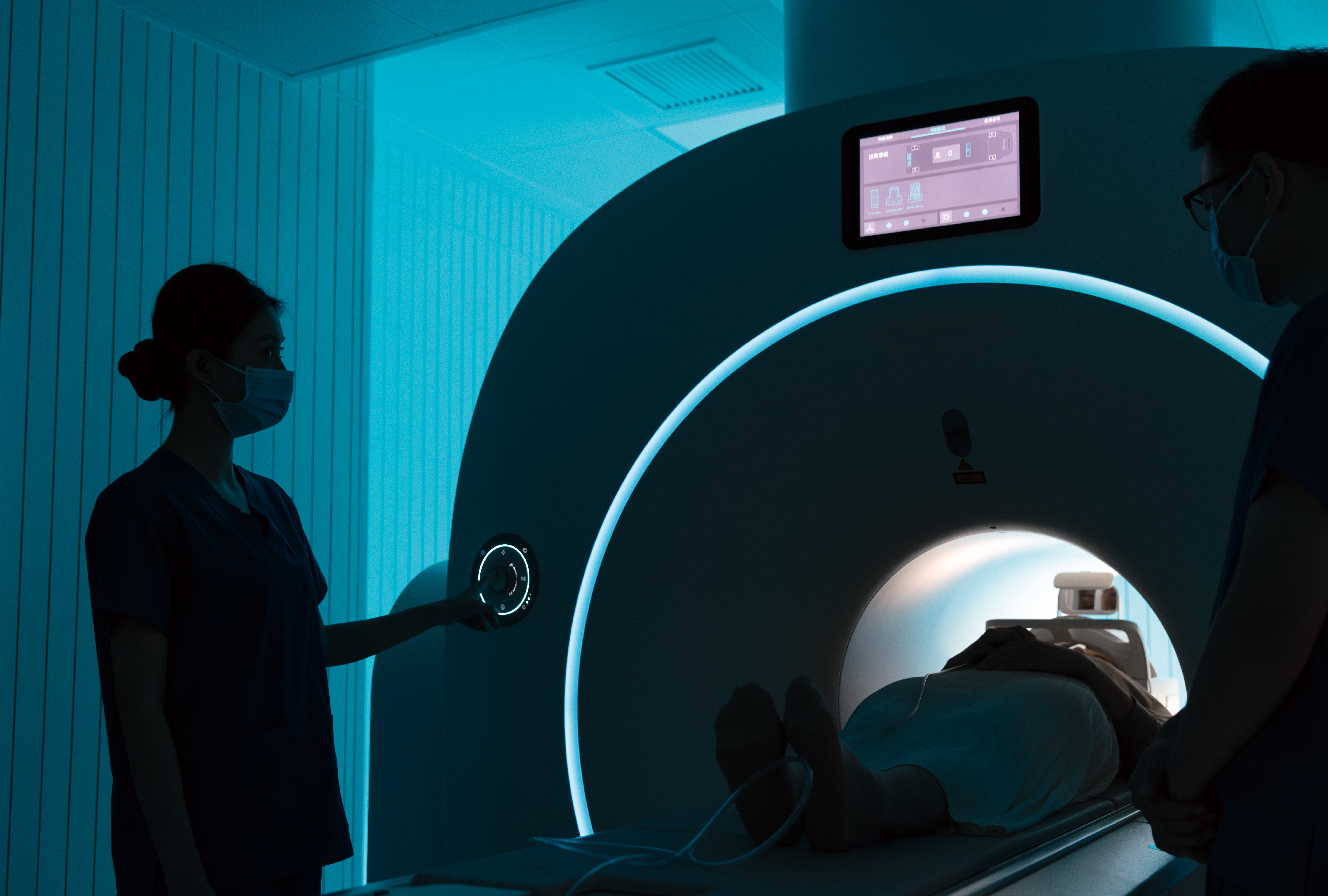
The Society of Radiographers is marking the 2026 British Science Week by publishing a series of articles aimed at students, teachers and the general public, to showcase the many radiography careers that are on offer.
British Science Week, which runs from 6-15 March, is an annual 15-day celebration of science, technology, engineering and maths (STEM).
Here, Michelle Tyler, professional officer for careers promotion and outreach at the SoR, sets out the role of radiographers and why it's an exciting career possibility for young people who love science and technology.
When students think about careers in healthcare, they often default to doctor or nurse or maybe physiotherapists. Yet one of the most vital and sometimes overlooked professions in modern healthcare is radiography.
This British Science Week, we’re encouraging teachers and careers advisers to help young people discover radiography as an exciting, meaningful and future-focused career option.
Radiographers are at the heart of patient care. They are the professionals who carry out diagnostic imaging such as X-rays, MRI, CT scans, mammography and ultrasound, and those who deliver life-saving radiotherapy planning and treatment for cancer patients. Without radiographers, many diagnoses could not be made, and many treatments could not take place.
What makes radiography particularly engaging for students is the unique combination of science, technology and compassionate patient care. It is a career that appeals to those who enjoy STEM subjects but also want to work directly with people and make a difference to lives every day.
Radiographers work across the entire healthcare pathway, from emergency departments, screening services, operating theatres, to cancer centres and community diagnostic hubs. They play a crucial role in ensuring patients are diagnosed quickly, treated safely and supported with professionalism and empathy throughout their care. For many patients, a radiographer is the professional who explains a procedure, offers reassurance and ensures dignity at vulnerable moments.
The profession also offers excellent long-term career prospects. As a Diagnostic Radiographera, students can progress into specialist roles in areas such as MRI, ultrasound, and interventional imaging. As a Therapeutic Radiographer in radiotherapy services, they could be a specialist in a specific cancer illness, such as breast cancer or aspects of radiation dosimetry and physics. There are opportunities to move into advanced and consultant practice, research, education, leadership and service development. With rapid advances in technology, including artificial intelligence and new treatment techniques, radiography is a dynamic and evolving field. Therapeutic and Diagnostic Radiographers work mainly in NHS organisations. However, you will also find them in private health care services, charitable organisations and other important sectors relating to quality management, patient safety and public health.
Routes into the profession are accessible and varied. Students can pursue university degrees in diagnostic or therapeutic radiography, and in many regions, there are also degree-level apprenticeship pathways that allow learners to earn while they train. Radiography courses blend academic study with hands-on clinical placements, providing a clear and supported route into professional practice.
As trusted influencers, teachers and careers advisers play a critical role in broadening students’ awareness of the full range of healthcare careers available to them. Introducing radiography from Year 7 onwards can help students see how classroom subjects like physics, biology and maths translate into real-world impact and meaningful employment.
By highlighting radiography, you can help students discover a profession that is innovative, people-centred and essential to the future of healthcare.
This British Science Week, we invite you to explore and share our radiography careers resources with your students and colleagues and help inspire the next generation of healthcare professionals. Or get in touch with us to discuss how we, the amazing community of radiographers across the UK, may be able to support you to help your students understand more about radiography.
To learn more about careers in radiography and how to begin your journey, visit our careers pages and discover how you could be part of this essential profession.