
.jpg?width=600&height=300&ext=.jpg&width=900&resizemode=force)
In recognition of this year’s Neurodiversity Celebration Week, the SoR is celebrating the experiences of neurodivergent members.
Neurodiversity Celebration Week is a worldwide initiative that challenges stereotypes and misconceptions about neurological differences, with webinars events, panel discussions, and resources released online.
The SoR is dedicated to ensuring members feel supported in all aspects of their work, including in supporting neurodivergent members, with the help of the Equalise Network, a member-led advisory group which aims to promote equality in the workplace.
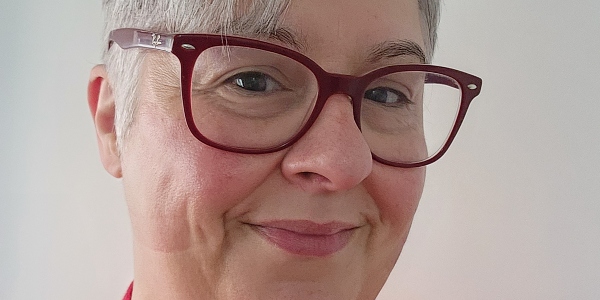
Ruth Strickland, a senior radiographer and member of the SoR, is one such neurodivergent member who has shared experiences this Neurodiversity Celebration Week.
Wired to be out of the box
Written by Ruth Strickland
My name is Ruth, and I'm a senior radiographer in MRI. I've been qualified for over 30 years and have had many different roles clinically over this time. I'm also a wife and mother.
I went for work experience when I was 17 at my local hospital within the X-ray department. I found the staff friendly and ended up working with some of them years later as a qualified Radiographer! I loved the combination of caring for patients and the technical side of how the equipment worked.
I am AuDHD. This means I have a dual diagnosis of autism and attention deficit hyperactivity disorder (ADHD), which creates a unique operating system within my brain. I was late diagnosed as an adult for both autism spectrum disorder and ADHD, which is common for both women and Gen X adults. My brain is constantly wanting to learn new things, which professionally and personally means I'm always seeking out new information.
My brain is, by default, wired to be an out-of-the-box thinker, which comes in useful when trying to navigate the day-to-day changes needed at work. I've also got lived experience, which helps me understand and support neurodivergent colleagues and patients alike.
What does inclusion mean to you?
Inclusion means recognising that we are colleagues who, like everybody, are great at some things and not so great at others. Ideally, I want to feel and be treated as a valuable member of a team, recognising that I have a unique skill set. Some days I may need more understanding than others, as each day is different.
More and more patients are feeling comfortable sharing their neurodivergence with us as professionals. This feels like a really positive step forward.
To share or not is a very personal choice; do what feels intuitively right for you.
It's taken me years to stop giving myself a hard time and feeling deficient in some way. I now recognise I have many positives to bring into my work, and that reasonable adjustments are essential when needed.
Equalise Network
Equalise aims to provide a support mechanism for members on equality and diversity issues, campaign on issues of concern for members, provide advice and support for members in the workplace, and promote equality in the workplace.
Groups that form the Equalise Network are member-led and provide a safe space for discussion and debate, ensuring that the Society can hear and benefit from members' lived experiences.
To sign up for the SoR’s Disability and Neurodivergence Network, members can complete this form.
Find out more information about Neurodiversity Celebration Week online here.