
NHS Staff Council has announced the outcome of joint negotiations for the mechanism used to calculate Agenda for Change mileage reimbursement rates.
The agreement follows more than a year of detailed negotiations and extensive consultation by employers and trade unions.
This update uses a measure of inflation from the Office for National Statistics (ONS) to review changes in the costs of using a personal car for work. The new mechanism will replace the existing mechanism and will adjust with the fluctuations in the costs of motoring, not just fuel prices alone.
Global events and pressures
Rates are now to be reviewed twice a year, and changes will be implemented where there is a change of more than a whole penny. The mileage threshold drop-down has also increased, from 3,500 miles to 4,500 miles to support those staff who undertake the most mileage, particularly those who look after patients in the community and often travel the furthest for work.
The date when the mileage threshold counter resets will also change to 1 April following implementation.
In comparison, the old mechanism only delivered a change in reimbursement rates following sustained changes in fuel prices. This is particularly important given global events and pressures faced by motorists at the pumps.
International instability
Leandre Archer, head of industrial relations at the SoR, said: “The change to the mechanism for calculating Agenda for Change (AFC) mileage reimbursement is welcomed, especially at a time when prices are continuing to rise. It will reflect broader motoring costs and not just fuel.
“With current international instability, it is beneficial that rates will be reviewed every six months and that those who drive the most for work will benefit from a higher threshold of 4500 miles from July 2026.
“We value the collaborative approach taken by all involved throughout the negotiations and in the implementation of this. We welcome this development and remain committed to ensuring that reimbursement arrangements are fair, sustainable, and reflective of the pressures our members face.”
'Continuing in positive spirit'
Karin Smyth, minister of state for secondary health, said: “It's only right that staff are fairly reimbursed for travel they undertake as part of their duties. This important step to make that a reality is an example of what a constructive partnership can achieve for hardworking NHS staff.
“I want to put on record my thanks to all those who were involved in this, particularly members of the NHS Staff Council. I am looking forward to continuing in this positive spirit as we work with the NHS Staff Council to reform the Agenda for Change pay structure and to prioritise increasing pay for graduates and the lowest-paid members of staff.”
For more information, access the NHS Employers website now.
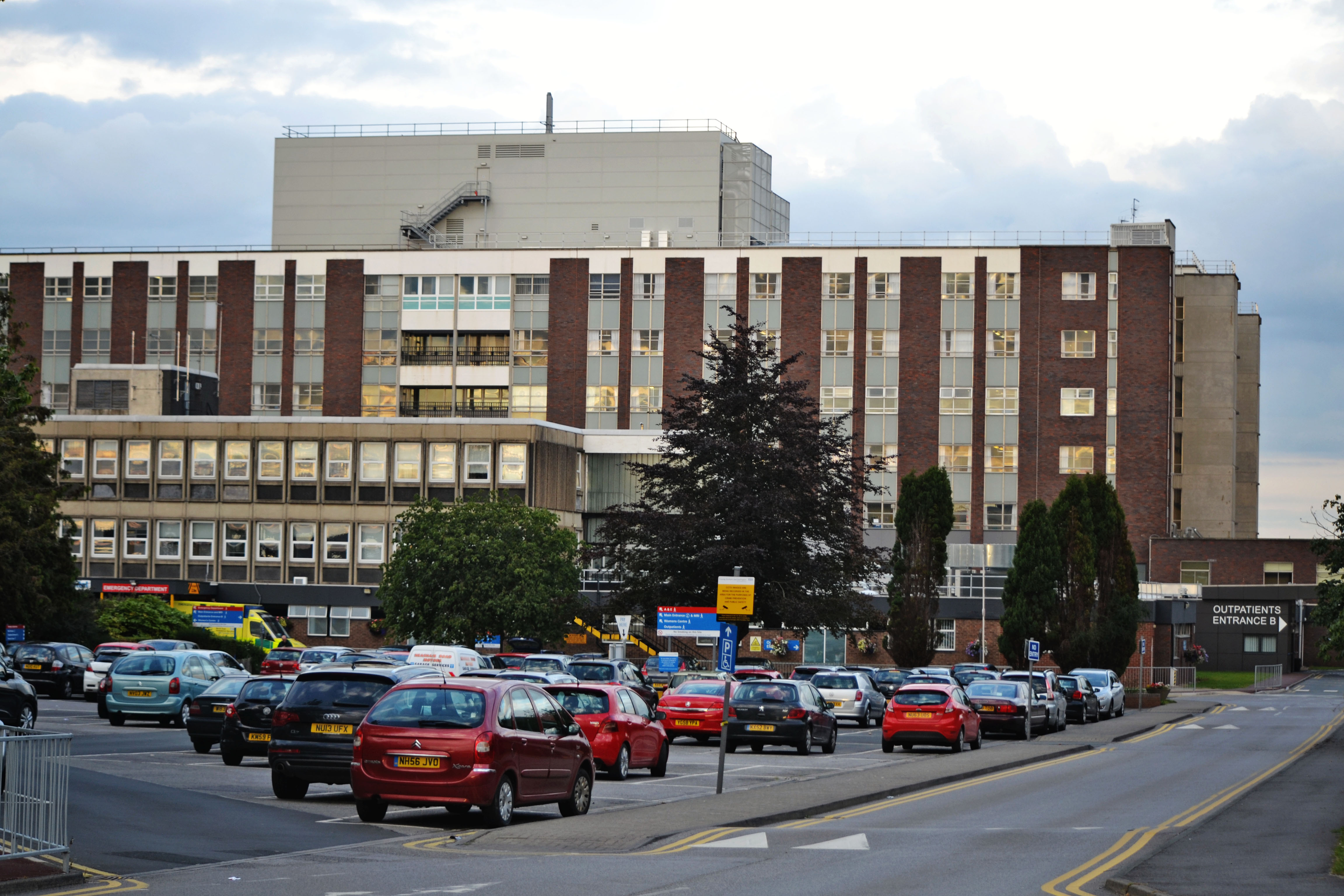
(Image: Photo by s99 via Getty Images)