
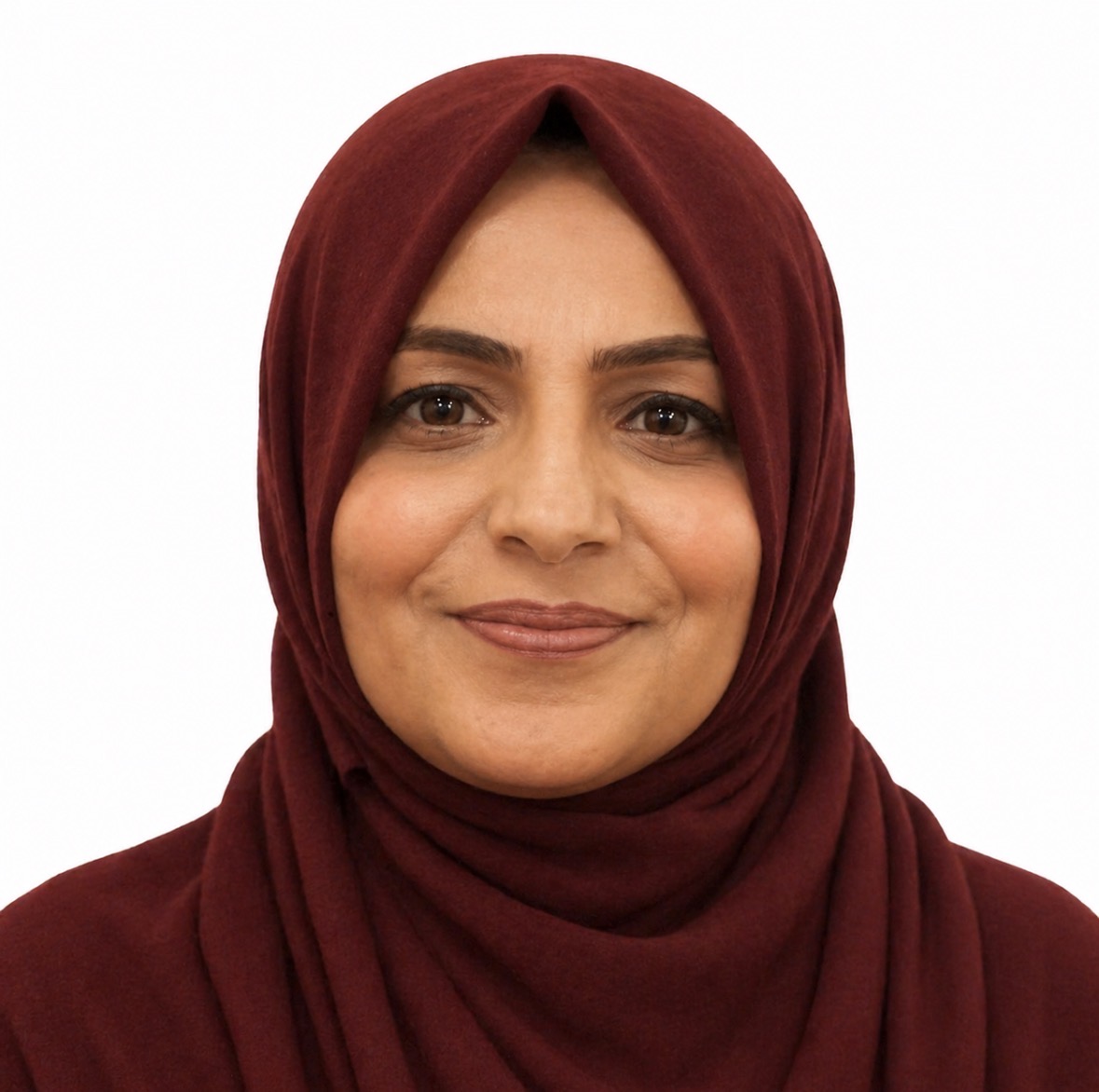
During South Asian Heritage Month, the SoR is celebrating and amplifying the experiences of its members from South Asian Communities.
Observed annually across the UK throughout July, South Asian Heritage Month aims to celebrate the diverse culture and history of South Asian communities in Britain and internationally.
The theme for this year’s campaign is 'unity in diversity’.
Here, SoR member and Therapeutic Radiographer Samina Hussain shares her experiences as a British muslim radiographer of South Asian Heritage.
What first inspired you to join the radiography profession?
My journey into therapeutic radiography wasn't planned. I had originally accepted an offer to study pharmacy in Liverpool, but I decided I didn't want to move so far from home. While looking through the Evening Standard for clearing opportunities, I came across radiography at London South Bank University.
When I called, I was asked whether I wanted to study diagnostic or therapeutic radiography. I chose therapeutic because I understood it involved using radiation to treat cancer while building relationships with patients and supporting them throughout their treatment journey.
Looking back now, I truly believe radiotherapy was my calling.
When I was three years old, my brother died from leukaemia at the age of eight. At the time, I was too young to understand what cancer was or the treatment he had received. I certainly didn't know what radiotherapy was or appreciate the emotional and physical journey my parents and siblings had endured.
As I've reflected throughout my career, I have come to realise that losing him planted a deep desire within me to make a difference to people affected by cancer. Although I didn't recognise it at the time, that experience shaped the person I would become.
What began as a chance decision through clearing became one of the best decisions of my life. More than 30 years later, I can honestly say I have never looked back. Radiography has given me the privilege of caring for patients, educating future radiographers, leading clinical services and helping to shape cancer care. It remains an incredibly rewarding profession, and I still feel honoured to be part of it every day.
Every day I go to work knowing that I may be caring for someone's brother, sister, mother or father. That privilege has never been lost on me.
How has your cultural identity shaped your journey or experiences in radiography?
As a British muslim woman of South Asian heritage, my culture has taught me the importance of compassion, humility, respect and serving others. These values have shaped every stage of my career.
Working in cancer care has shown me how culture, faith and family influence a person's experience of illness. It has strengthened my commitment to delivering truly person-centred care that respects every individual's beliefs, values and circumstances, while also challenging health inequalities and improving access for underserved communities.
Throughout my career, I have also wanted to be visible for others because representation matters. I hope that by sharing my experiences and taking on leadership and education roles, I can encourage people from every background to see that they belong in radiography and can thrive within our profession.
What do you love most about being a radiographer?
The people.
Radiotherapy gives us the privilege of building meaningful relationships with patients because we often see them every day throughout their treatment.
We support them during some of the most difficult moments of their lives, celebrate milestones with them and, sometimes, simply offer a reassuring smile or kind word when they need it most.
One principle has guided me throughout my career: every patient should be treated with the same dignity, kindness and compassion that I would want for my own mum. Every patient is someone's loved one, and they deserve to feel respected, heard and genuinely cared for.
I also love that radiography never stands still. Advances in technology and treatment continue to transform patient outcomes, meaning we are constantly learning, adapting and growing as professionals.
What does 'unity in diversity' in radiography mean to you?
To me, 'unity in diversity' means recognising that our different backgrounds, cultures and lived experiences make us stronger as a profession. Radiography is built on teamwork.
We may have different stories, beliefs and perspectives, but we are united by one shared purpose: delivering safe, compassionate, high-quality care for every patient.
When people feel included, respected and able to bring their authentic selves to work, they contribute with greater confidence, creativity and compassion. Our patients also benefit when the workforce reflects the diversity of the communities we serve.
'Unity in diversity' reminds us that inclusion is about more than representation. It is about ensuring every voice is heard, every individual feels they belong, and everyone has the opportunity to succeed.
That is the profession I am proud to be part of, and one I hope future generations of radiographers will continue to strengthen.
What message would you like to share with fellow radiographers?
If there's one thing I'd like people to know, it's that radiography has given me far more than a career; it has given me a purpose.
I have been fortunate to care for patients, support colleagues, educate future radiographers and contribute to improving cancer services.
Beyond my clinical role, I am proud to serve as a trustee for Radiotherapy UK and Sakoon Through Cancer, where I work to improve support for people affected by cancer and help address inequalities experienced by underrepresented communities.
I hope my story shows that careers don't always begin with a carefully mapped-out plan. Sometimes a single decision can lead you exactly where you're meant to be.
For me, choosing therapeutic radiography through clearing changed my life, and more than 30 years later I still feel privileged to be part of a profession that makes such a profound difference to people's lives.
If my story encourages even one young person, particularly someone from a South Asian background, to believe they belong in radiography, then sharing it will have been worthwhile.
To share your experience during South Asian Heritage Month, click here.