
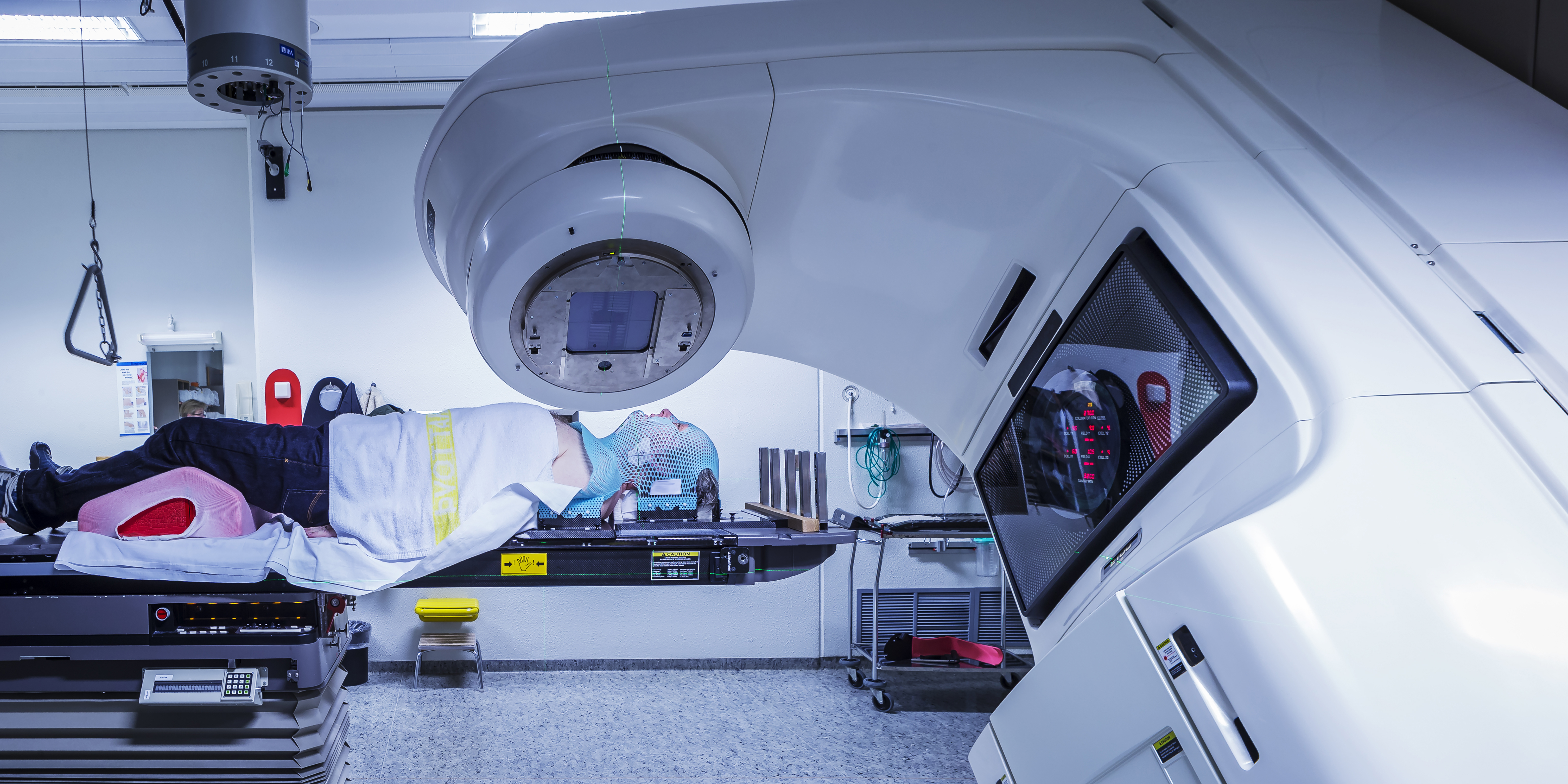
The SoR has unveiled its latest guidance document for the radiotherapy workforce, which complements safe staffing guidance and advocates for the role of Therapeutic Radiographers.
Previous radiotherapy workforce guidance was published in 2016, and has been updated to reflect the current climate facing the workforce – national shortages of all radiotherapy staff groups, the financial situation within the NHS, rising cancer incidence, technological advances, and more.
Published last month, the guidance sets out a vision for the radiotherapy workforce where Therapeutic Radiographers are consistently recognised, strategically supported and empowered to lead service transformation, ensuring the delivery of world-class cancer outcomes for every individual.
'Present with patients every step of the way'
Katie Thompson, president of the SoR, said: “The delivery of world-class cancer care depends on a resilient, highly skilled therapeutic radiography workforce. Therapeutic Radiographers are the only professionals trained to plan and deliver radiotherapy treatment, combining technical expertise with compassionate, person-centred care. They are present with patients every step of the way – from initial consultation and treatment planning to daily delivery and survivorship support.
“Therapeutic Radiographers continue to demonstrate extraordinary commitment, but they cannot do this alone: they need robust staffing models, clear career pathways and strong professional leadership to sustain and grow the workforce of the future. This guidance, developed by head Therapeutic Radiographers and endorsed by the Society of Radiographers, provides practical recommendations to support safe staffing, consistent job titles, apprenticeships, extended practice and effective workforce planning.”
With the right support, she added, Therapeutic Radiographers will continue to lead service transformation, champion innovation, and deliver world-class cancer outcomes for patients across the UK.
The SoR has responded to requests for explicit guidance on minimum staffing numbers in this document. This is challenging, as many radiotherapy services have developed roles differently to reflect local needs, in line with national policies and frameworks.
Safety of both staff and patients is paramount, and therefore risk assessments should provide the basis of staffing and skill mix decisions, working within the multiprofessional team.
Where workforce capacity is reduced, services may need to align treatment capacity accordingly to ensure radiotherapy continues to be delivered safely. Individual services should consider the skill mix in accordance with local work practices and circumstances.
'Invest in, support and empower'
Angela Baker, head of radiotherapy at Barts Health NHS Foundation Trust in London, said: “Safe staffing and a supported workforce are fundamental to patient care—this guidance ensures Therapeutic Radiographers are equipped to deliver the high standards every patient deserves.
“At a time of increasing demand and workforce pressures, this document reinforces the need to invest in, support and empower Therapeutic Radiographers to continue delivering exceptional care for patients.
“By providing clear recommendations on staffing, career development and workforce planning, this guidance supports services to build resilient teams capable of delivering world-class radiotherapy now and into the future.
“We're incredibly proud of this guidance, which reflects both the expertise and the dedication of head Therapeutic Radiographers across the country. Their leadership is central to maintaining safe, compassionate and high-quality services in an increasingly challenging environment. This document is intended to support them in continuing to lead their teams with confidence, build resilience within the workforce, and shape the future of radiotherapy for the patients we care for.”
As well as offering guidance on staffing levels, this document seeks to align with the College of Radiographers (CoR) Education and Career Framework (ECF) for the Radiography Workforce (CoR, 2022a) and national recommendations for allied health professionals (AHPs), including the NHS Centre for Advancing Practice, focusing on how these should be applied to the therapeutic radiographer workforce.
The document also contains guidance on job titles to improve consistency, making it easier for those applying for new jobs to understand the requirements of the role and improving benchmarking between services.
To these ends, the document sets out some key conclusions and recommendations for radiotherapy services across the country, including that:
- Modelling of the Therapeutic Radiographer workforce is required to ensure minimum safe staffing levels
- Extended practice should be embraced to retain staff in the profession and provide continuing development
- The head Therapeutic Radiographer role is key, working as a triumvirate with the clinical oncologist lead and head of radiotherapy physics
- Job planning should be considered for all Therapeutic Radiographers within the departmental workforce
- Further work is recommended to provide a framework for the development of the operational technical workforce to ensure safe delivery of advanced techniques
These recommendations are supported by an Excel workbook that contains templates for workforce modelling.
Find out more information, and access the guidance, online here now.
(Image: Photo via Getty Images)