
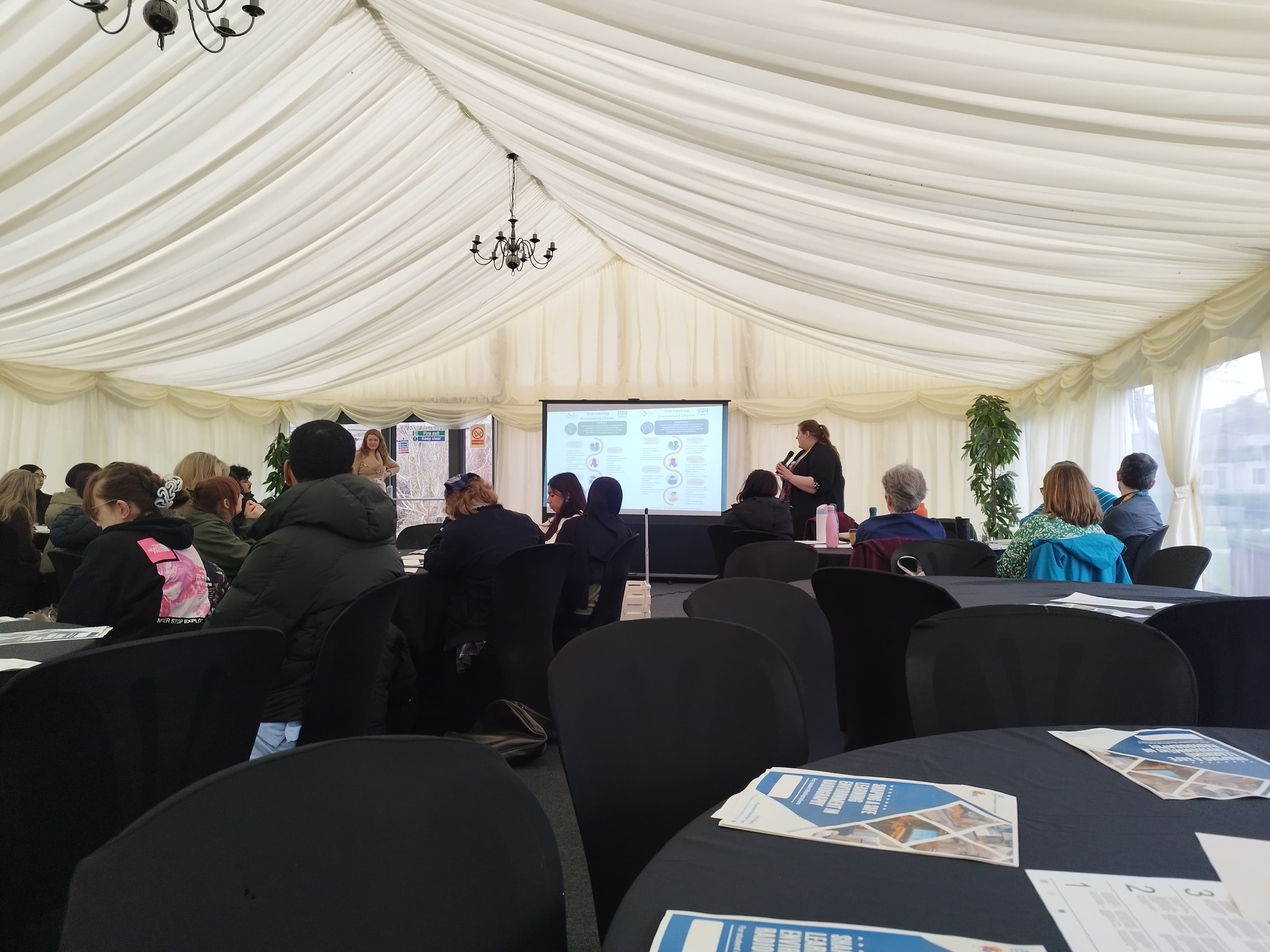
Practice educators at University Hospitals of Leicester NHS Trust have delivered a successful study day focused on how to ensure a safe, inclusive and supportive learning environment.
On 11 June, the imaging practice educator team at University Hospitals of Leicester (UHL) presented sessions to students from across different universities and year groups on how to create a shared space for collaboration, reflection and open discussion.
These sessions brought together up to 70 learners at a time in Glenfield Hospital to recognise the importance of psychological safety, professionalism, and empowering learners to raise concerns.
'Sharing experiences and learning'
Clinical practice educator at the trust Rachel Bridges, one of the study day organisers, said: “Creating safe, inclusive, and supportive learning environments is essential in preparing the future radiography workforce to deliver high-quality patient care.
“The study day was fantastic. Bringing together student radiographers from different universities and year groups created a real buzz in the room, with everyone sharing experiences and learning from one another.
“It really highlighted the importance of listening to the student voice and creating a psychologically safe space where students feel comfortable speaking openly and being heard.”
The event was organised to gain student feedback around topics included in the Safe Learning Environment Charter and identify any gaps in their understanding of the charter.
Students at UHL had previously highlighted some gaps in their understanding of reporting processes, uncertainty around managing inappropriate behaviour, and a desire for clearer guidance on professional expectations in practice.
To address these gaps in a practical way – while aligning with Health and Care Professions Council standards of safeguarding, communication, professionalism and reflective practice – the day focused on key themes that underpin safe learning and working environments.
These included sexual safety in the workplace, freedom to speak up and professionalism in practice.
Shared responsibility in creating respectful environments
Students were introduced to the Safe Learning Environment Charter, an NHS framework that emphasises the responsibility of organisations to create cultures where learners feel respected, supported, and able to speak up.
Sessions throughout the day took the form of short teaching lessons, interactive activities and group discussions. Scenario-based discussions and peer interaction also helped to reinforce the importance of shared responsibility in creating respectful environments, Rachel said.
Following the study day, students said they valued the opportunity to meet and learn with peers from different year groups and universities, describing the experience as both insightful and reassuring.
They also reported increased confidence in recognising and responding to inappropriate behaviours, alongside a clearer understanding of how to raise concerns and access support.
Several participants highlighted that the sessions helped to “bridge gaps” between student experience and organisational processes. The professionalism session was especially impactful in supporting students to reflect on their conduct, communication, and approach to patient-centred care.
Students also said they hoped for even more interactive elements in future, including increased group work, scenario-based learning, and opportunities to hear and discuss lived experiences.
They suggested covering other topics such as leadership, continuing professional development, and radiation safety, alongside ideas such as knowledge checks to consolidate learning.
Rachel added: "I would highly recommend other trusts taking a time out to do similar for their students; it was a very rewarding event for all involved."
(Image: Study day at University Hospitals Leicester)