
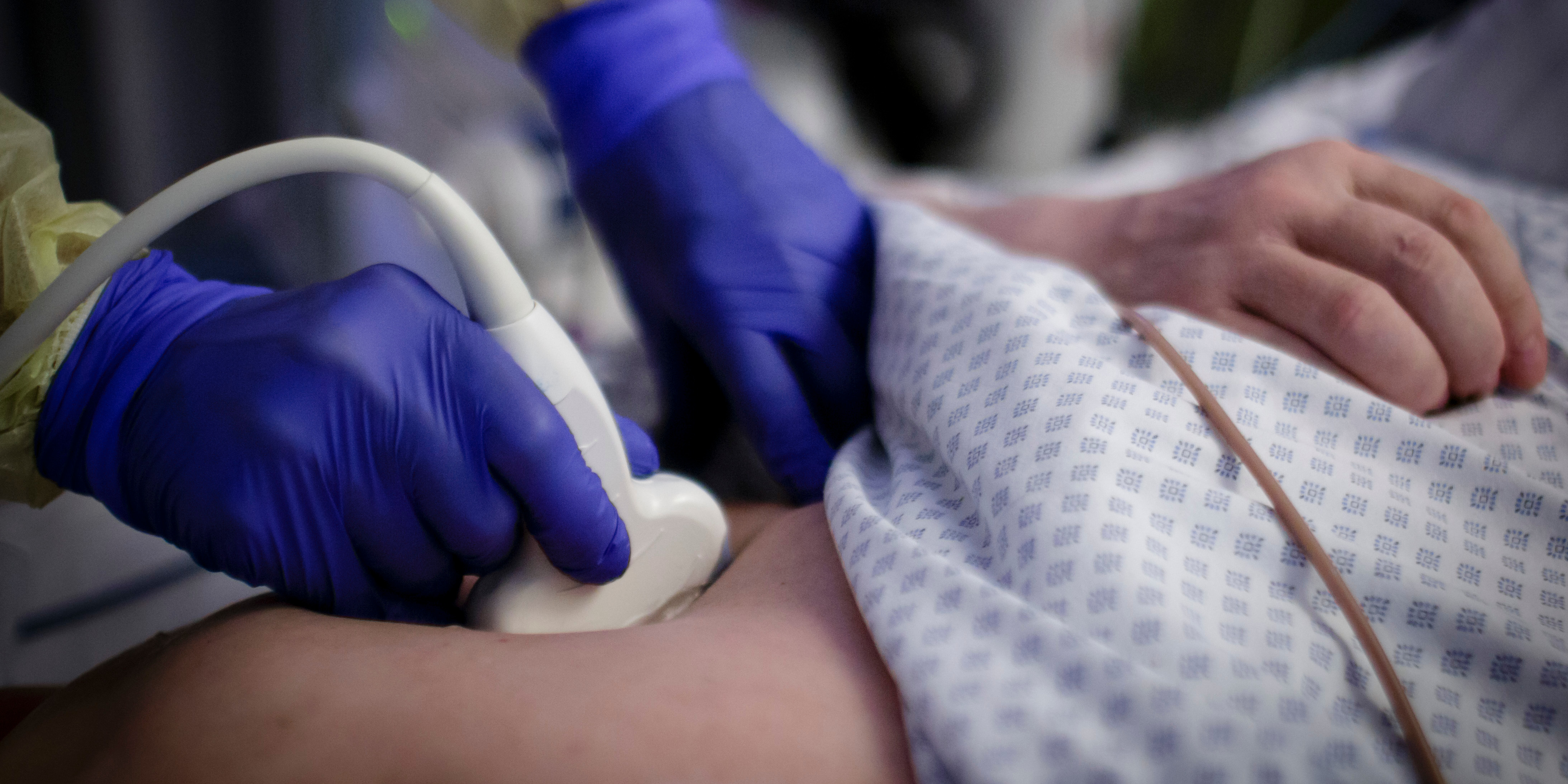
Guidance from the Society of Radiographers and the Royal College of Radiologists (RCR) sets out the scope of practice for sonographers providing General Practitioner Direct Access (GPDA) ultrasound pathways.
The new guidance supports sonographers to provide services for patients on specific, nationally recognised, direct access pathways. Often patients suitable for these pathways present to the GP with vague or low-risk symptoms that do not meet guidelines for urgent cancer referrals.
The document sets out the scope of practice for sonographers working within these pathways and provides advice for service leads when planning the GPDA pathway services.
GPs routinely use direct access pathways where imaging helps accelerate patient access to specialist assessment and treatment, when thresholds are met. However, uncertainty about sonographers' referral responsibilities has hindered the development and implementation of these pathways in some areas.
Defining sonographer roles
Gill Harrison, SoR professional officer for ultrasound, said: “The importance of collaboration in clinical practice was a key driver for the joint development of this guidance document between the SoR and the RCR. It is intended to support departments implementing GP direct access ultrasound pathways.
“As these pathways continue to evolve, the need for clear planning, adequate resourcing, streamlined administrative processes and well-defined sonographer roles and responsibilities becomes increasingly important to ensure safe and effective patient care.”
The document has been endorsed by both Getting It Right First Time (GIRFT), a national NHS England programme that reviews services, and the British Medical Ultrasound Society (BMUS).
The full guidance document is available here.
Key takeaways
It details six core principles designed to act as a clinical safety net while maintaining departmental efficiency:
- Onward referral pathways must fall within the sonographer’s scope of practice
- Administration time for onward referrals should be considered separately from scan times
- The responsibility for acting on results remains with the referrer
- Reports to GPs must state when an automatic referral has been made
- Access to expert advice is essential
- Only agreed GPDA pathways allow automatic onward referral